
•
Why Nullification surgery?
I feel like I don’t have a super deep reason for why I wanted nullification surgery, I kinda just like the idea of nullification surgery. I’m mostly a straight binary trans woman so it’s kinda unusual I want this surgery but I do. I’ve never liked the idea of vaginoplasty, for whatever reason the idea of it feels wrong and foreign. I really hated having balls so got an orchiectomy as soon as I could about two years into my transition which really helped with my dysphoria. I didn’t plan on having bottom surgery but I had bottom dysphoria especially when it came to sex so I was kinda just in a rut until one day I stumbled upon a TikTok video that introduced the idea of nullification surgery to me.
Discovering this video was a revelation to me, I couldn’t believe this surgery exists and I wanted to know as much as I could about it. So I started Googling and that’s where I found post op results and that’s when I really got obsessed with this surgery.
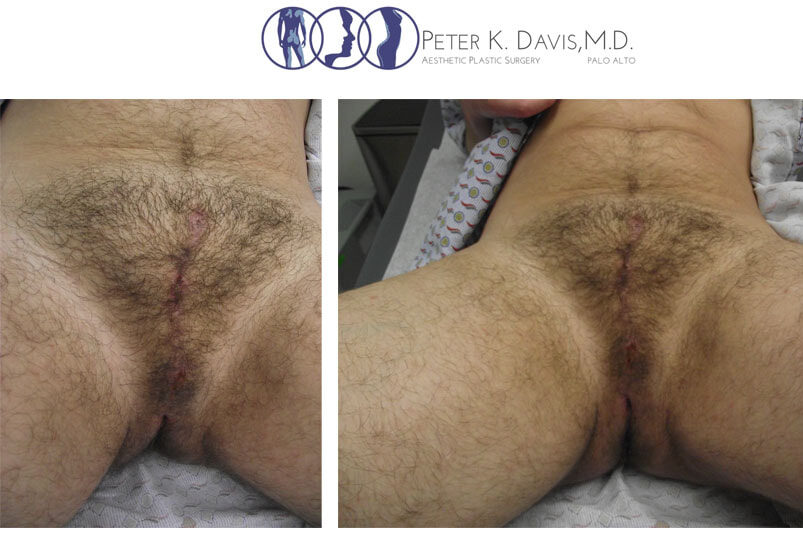
Once I saw some actual results of this surgery I knew I wanted it.
Research
To start I tried to find as many surgeons as I could who perform nullification, at the time I could come up with a list of about 2 dozen providers with all of them in the US except for Dr. Ivan Aguilar of the Mexico Transgender Center. I was hoping someone would do it in Canada but I emailed Women’s college hospital and GRS Montreal and they don’t perform nullification. Nowadays I know there are some providers in Spain, Turkey, and Thailand but at the time I was not aware or those options weren’t available.
I also stumbled upon a lot of good blogs/zines from different nullo’s online, they motivated me to write this
- AMAB-to-neutrois GRS by busybee
- Doll Parts
- nullification surgery by pebble
- Let’s Touch Scars by Nullodyke
- Borgpup’s Nulloplasty Journey
Their blogs/zines are better than mine so I’d recommend reading these. Also the r/nullectomy subreddit is good for asking questions and there’s some really helpful people out there on bluesky. If you just search for nullification surgery on different platforms you’ll find people who’ve gone through this and talk about it.
The Process of getting it
To start this journey I contacted my nurse practitioner who helps with my medical transition about this surgery, she was surprised I wanted this surgery but she quickly thought up a game plan for it. The plan was we would submit a request to OHIP (Ontario Health Insurance Plan) to cover this surgery through the Crane Center. The Crane Center was chosen since they’re used to dealing with OHIP for phalloplasty. So around February 2024 my nurse practitioner submitted a request for OHIP to cover my nullification surgery through the Crane Center. And then we heard nothing for a while so my NP reached out to OHIP who said that they were consulting with a doctor to determine if my surgery should be covered. So we kept waiting. Then I emailed OHIP in June and after 12 days they replied with a generic email saying my approval is being reviewed. So I kept waiting, but after a while I started to get tired of waiting, I was increasingly worried that I’d wait all this time just to get denied. I had already saved up a lot of US money so after over a year of waiting (14ish months) in I finally gave up on OHIP and reached out to another surgeon so I could start the processes of getting the surgery without insurance.
I had a virtual consult with a surgeon in California that went very well, I wanted to move ahead with him. I got a quote for around $14,000 USD out of pocket which I had saved so I put down a $1,000 deposit and my surgery was booked for January 22nd. I did run into some issues with going out of pocket that you have to keep in mind if you choose to do so, one major one was finding surgical readiness letters (which aren’t necessary with OHIP). The front desk ask me to get 2 letters with one coming from someone with a PhD level education, although it was kinda unclear if that was a hard requirement. It kinda felt like they wanted me to get it but it wouldn’t hold up surgery if I didn’t. Either way I did try to find a surgical readiness letter from someone with a PhD, first I tried searching for Psychologists in Canada that would write me a letter but I really struggled to find one since we don’t have that requirement in Canada. So I reached out to some American Psychologists but some of them started telling me that they couldn’t work with me because me being Canadian causes some liability issues. The other issue was just how expensive it was becoming, I had the money for the surgery itself but other costs were adding up: I had to pay for a psychologist if I ever found one; I had to pay for a expensive California hotel; I had to pay for flights and post op supplies; although it’s optional I wanted surgical tourism insurance. The surgical tourism insurance would cover any emergency room visits but it was around $1,000 USD and was not necessary with OHIP. Overall going out of pocket just felt like a path with a lot of resistance where I just had to brute force my way to getting this surgery with money. Luckily for me in October I finally got the call I had been waiting over a year and a half for, while I was at my grandma’s funeral OHIP finally called me to tell me they would be covering my nullification surgery. I was able to have my nullification surgery on February 13th with the Crane Center.
The Surgery
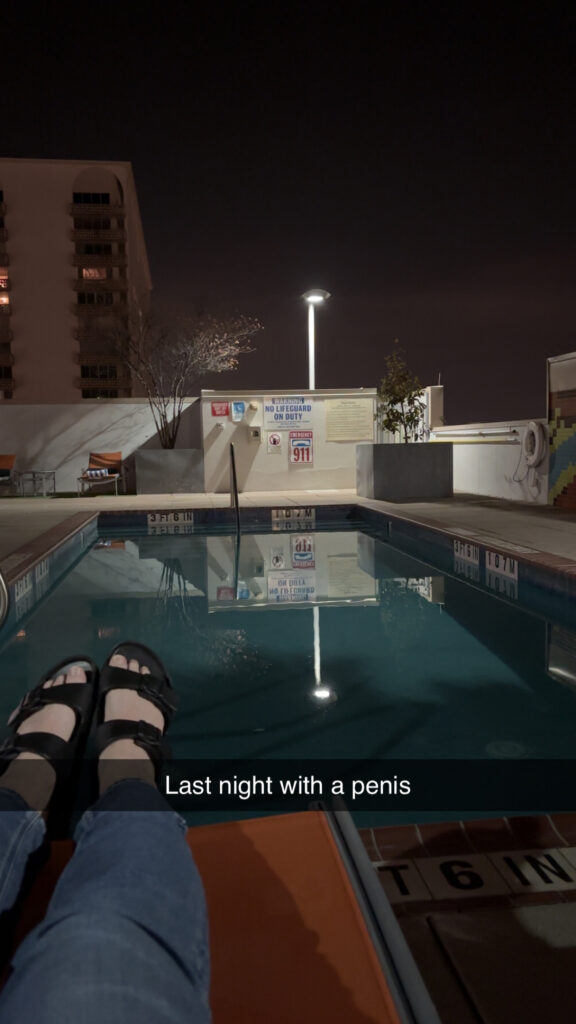
I flew down to Texas on February 7th to have my pre-op appointment on February 9th and then my surgery on February 13th, which meant I had to kill a lot of time in Texas before my surgery. It’s important to ask when booking your surgery when the pre-op appointment is because depending on how it’s scheduled you might have a lot of time between pre-op and surgery. I didn’t have to do much to prepare for surgery, just had to do a hibiclens wash 3 days before surgery, pickup prescriptions and go off progesterone. I know some surgeons require you to do bowl prep before and go off estrogen so I was glad I didn’t have to do that. The day of my surgery I show up to this medical complex at 5 am and struggle to find which place is actually the hospital but I showed up early so it was fine. The hospital was very fancy and since it was early it was almost completely empty (I had to wake up the receptionist). Based on my experience having surgery in Canada I was expecting to sit in a waiting room in my hospital gown for hours until a nurse came to put an IV but it was much nicer than that; I had my own bed and the nurses were super friendly and willing to spend time answering my questions and it really didn’t take that long until I was carted off for my surgery.
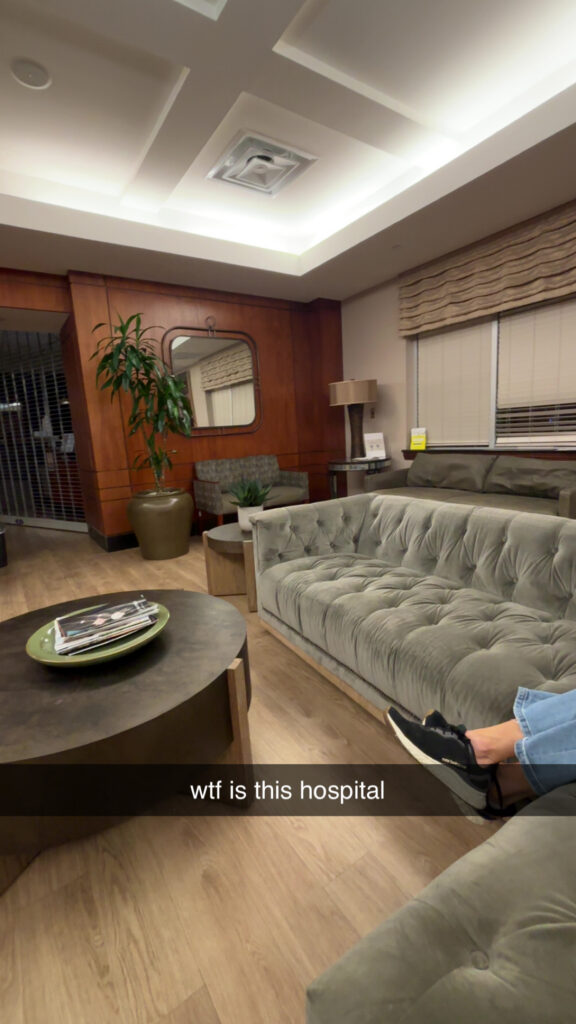
This was my 4th surgery so at this point I was used to the whole surgery experience, waking up from anesthesia went smoothly and before long I was ready to go home—catheter in hand. One really smart decision I made was booking a medical transport service home instead of relying on uber, the medical transport company put me in a wheelchair so I didn’t have to deal with stepping into a vehicle and they even pushed me in the wheelchair right into my hotel room. It went incredibly smoothly and was well worth the money.
Recovery
Recovery went well for the first 3-4 days but around day 4 I got cocky and decided to try sleeping through the night without topping up on pain meds, that was a mistake. Also I had issues with constipation which really wasn’t fun, I would recommend making sure you poop on the like 3rd day and take stuff if you can’t instead of waiting till the 5th or so.
The catheter wasn’t too uncomfortable, it was mostly just annoying (and kinda gross) to carry around a pee bag, although it was kinda convenient to not have to get up to pee. The main annoying thing was my bolster dressing, it was like sewn into my thigh and also very clunky so it made walking very slow and uncomfortable. Later on when I had more pain it was mostly caused by the bolster dressing so it was a huge relief to get it and my catheter out on day 5. I was anticipating that removing the catheter would feel really uncomfortable and kinda painful but it really wasn’t that bad, it was quick and I didn’t really feel much. Overall the catheter wasn’t as bad as I was expecting.
The day after I got my catheter/boster dressing out I flew home which went pretty smoothly. I arranged for the airport to have wheelchair transport for me which was very important since I could not walk very far. Overall the flight home went well although I was pretty tired when I got home, it was a long day. Once I got home I mostly just chilled on my wedge pillow and watched Young Sheldon. I seem to be healing well and I think that’s in large part because I spend a lot of time with my pelvis elevated.
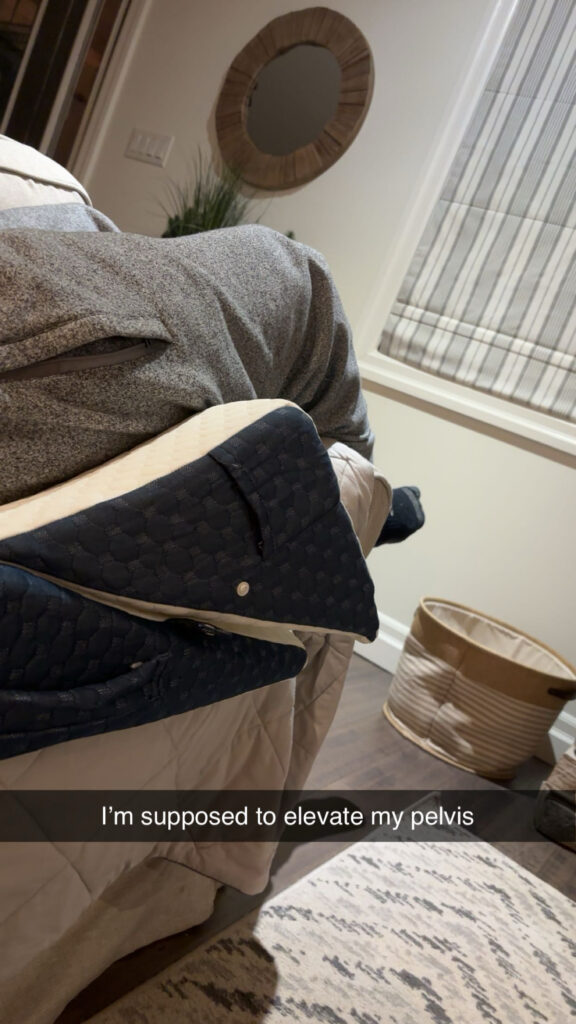
As of writing I’m on day 18 since my surgery, I’m able to walk probably 300m at a time although it’s tiring. It feels like my recovery is going quite well, some annoyances I still have is that peeing is still often messy although it’s improved and I still bleed a bit so I have to wear liners. My surgeon said it would be around 6 weeks to 3 months to pee normally and 4-6 weeks for the bleeding to stop.
Tips
Things to buy:
- A hand mirror is important for looking at your post op results and applying antibiotic ointment to your incision
- A donut pillow and hand grabber is a must, the grabber really helps with independence
- Make sure to buy underwear that’s a size larger than you normally wear (full coverage underwear) and loose sweatpants
- Eventually you’ll want to buy a wedge pillow to keep yourself elevated but my surgeon said it wasn’t necessary till I got my bolster dressing off so you cant wait to buy it